


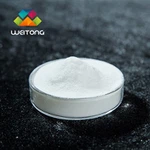
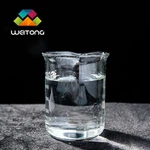

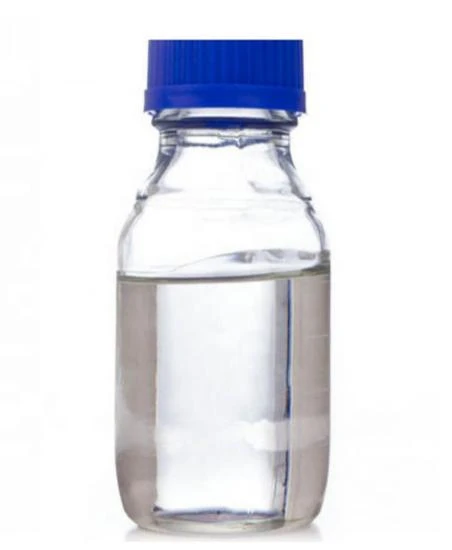
N-vinylpyrrolidone Sds 88 12 0
Product Description:
Basic Info:
Product name :Vinylpyrrolidone-Copolymer
Chemical Name:N-vinyl-2-pyrrolidone
CTFA name: N-vinylpyrrolidone
CAS No.: 88-12-0
MF: C4H7NO
EINECS No.: 201-800-4
Place of Origin: China
Purity: 99.0%min
Brand : HZWT
Application: Cosmetics, detergents
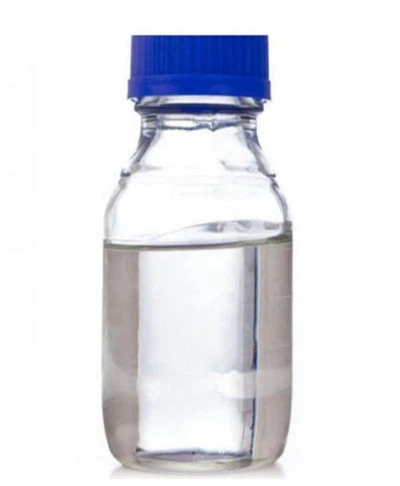
Appearance:Liquid
Color:Colorless to light yellow
Boiling point:92-95 °C11 mm Hg(lit.)
Flash point:201 °F
Water solubility:miscible

describe
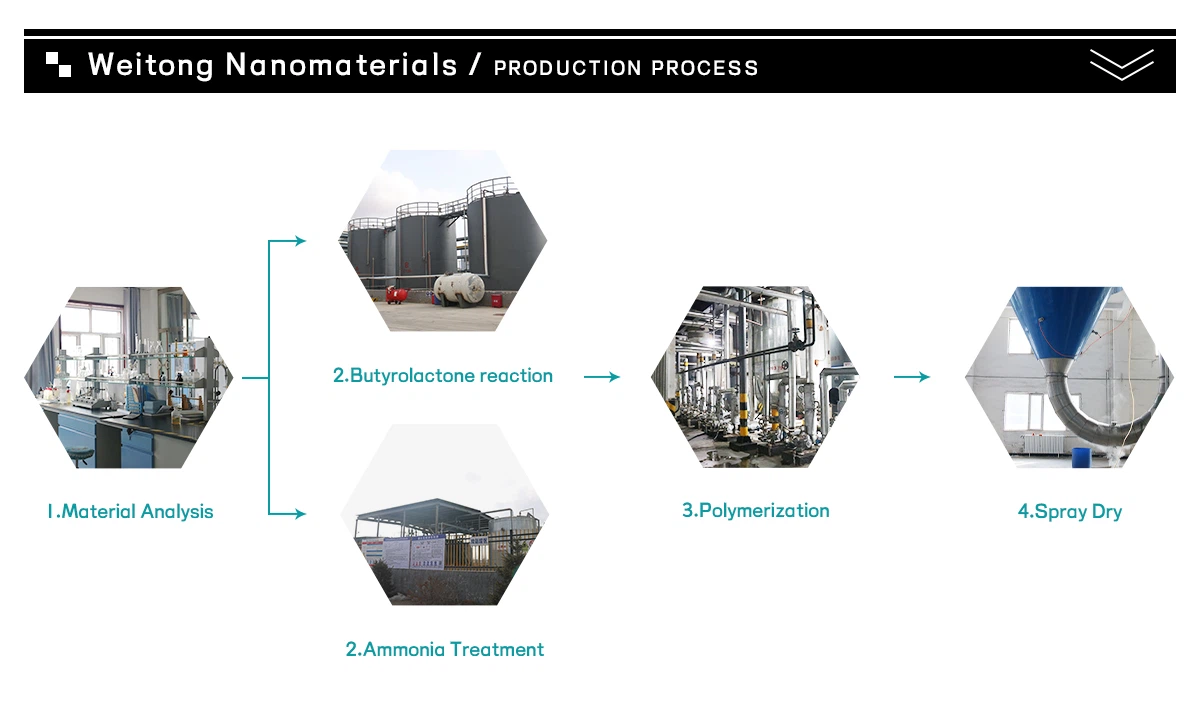
N-Vinylpyrrolidone (NVP) is a versatile monomer widely used in the production of polyvinylpyrrolidone (PVP) and other polymers, with applications spanning industries such as pharmaceuticals, cosmetics, and coatings. To ensure safe handling and use, it's important to understand the key safety measures outlined in its Safety Data Sheet (SDS).
1. Identification
N-Vinylpyrrolidone is identified by its chemical formula C6H9NO and CAS number 88-12-0. It is typically supplied as a clear to yellow liquid, with applications in polymerization processes and as an intermediate in chemical reactions.
2. Hazards Identification
NVP is classified as hazardous due to its potential to cause serious eye damage, skin irritation, and respiratory harm upon exposure. It is also considered a potential carcinogen and may pose long-term health risks if inhaled or absorbed through the skin. Direct contact with eyes or skin should be avoided, as it can cause irritation or burns. NVP vapors may also irritate the respiratory system, leading to coughing or shortness of breath.
3. First Aid Measures
In case of skin contact, the affected area should be immediately washed with soap and water. If eye contact occurs, rinse the eyes thoroughly with water for at least 15 minutes and seek medical attention. If inhaled, move the individual to fresh air and provide oxygen if breathing is difficult. Ingestion should be treated by rinsing the mouth, but vomiting should not be induced unless advised by medical personnel.
4. Firefighting Measures
N-Vinylpyrrolidone is flammable. In case of fire, use foam, carbon dioxide, or dry chemical extinguishers to suppress flames. Firefighters should wear protective equipment, including self-contained breathing apparatus, to avoid exposure to hazardous decomposition products such as carbon monoxide and nitrogen oxides.
5. Handling and Storage
NVP should be handled in a well-ventilated area, and proper personal protective equipment (PPE) such as gloves, goggles, and respirators should be worn to avoid contact or inhalation. It must be stored in a cool, dry, and well-ventilated area, away from heat, open flames, and incompatible substances like strong acids or oxidizers.
6. Disposal Considerations
NVP waste should be handled according to local regulations. It should not be released into the environment, and contaminated materials must be disposed of in accordance with hazardous waste guidelines.
The SDS for N-Vinylpyrrolidone emphasizes the importance of proper handling and protective measures to ensure the safety of workers and the environment when using this chemical.
Hot Tags: n-vinylpyrrolidone sds 88 12 0, China n-vinylpyrrolidone sds 88 12 0 manufacturers, suppliers, factory, N Vinylpyrrolidone Synthesis, N-Vinylpyrrolidon, N Vinylpyrrolidone Polymerization, , N Vinylpyrrolidone Polymer
You Might Also Like
Send Inquiry