



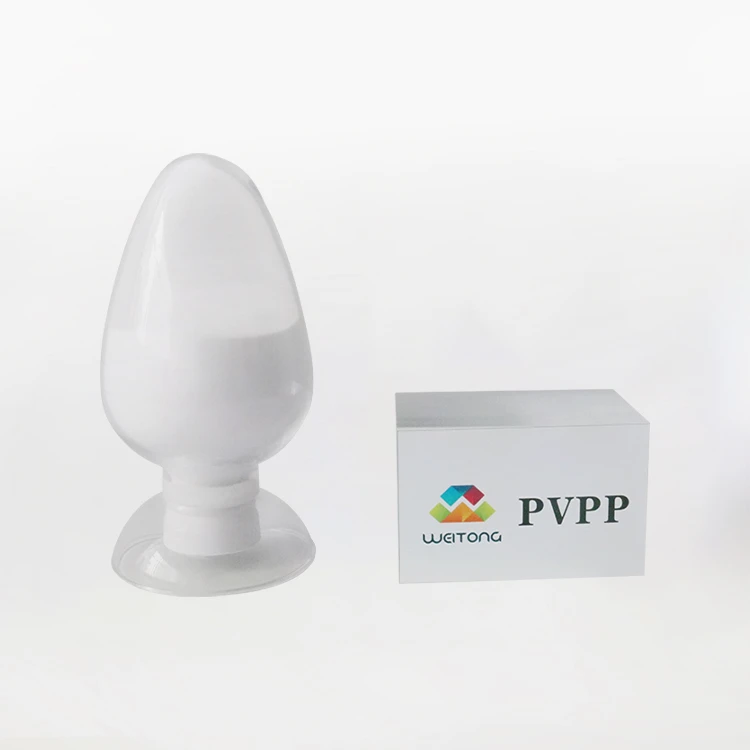
Pvpp Wine Fining 25249-54-1
Product description
Pharmacopoeia Name: Crospovidone
Chemical Name: Crospovinylpyrrolidone, PVPP
INCI/CTFA Name: Insoluble PVP
CAS No.: 25249-54-1,9003-39-8
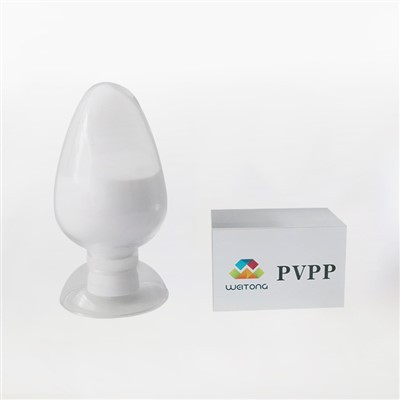
Polyvinylpolypyrrolidone (PVPP) is a highly cross-linked polymer that plays a crucial role in the winemaking and brewing industries, serving as a key stabilizing and clarifying agent. Its unique chemical structure and properties make it invaluable in ensuring the quality, stability, and visual appeal of wines and beers. The application of PVPP in these industries addresses several challenges related to the presence of haze-forming substances, color instability, and undesirable taste profiles, ultimately leading to the production of high-quality beverages that meet consumer expectations.
The Role of PVPP in Winemaking
In winemaking, the primary challenge is to produce a wine that not only tastes excellent but also looks clear and visually appealing. The presence of polyphenols and tannins, which are naturally occurring compounds in grapes, can lead to several issues if not properly managed. These compounds contribute to the wine's bitterness and astringency and can cause haze formation, making the wine appear cloudy. Moreover, they can result in color instability, which affects the wine's visual appeal over time.
PVPP is used during the fining process, a critical step in winemaking where unwanted substances are removed to enhance the wine's clarity, taste, and stability. The mechanism by which PVPP works is based on its ability to adsorb polyphenols and tannins selectively. Due to its cross-linked structure, PVPP can efficiently bind to these compounds, forming a complex that can be easily removed from the wine through filtration or sedimentation.
The removal of polyphenols and tannins using PVPP has several benefits:
Clarity: By eliminating haze-forming compounds, PVPP ensures that the wine is clear and visually appealing. A clear wine is often associated with higher quality, making it more attractive to consumers.
Taste Improvement: The reduction of tannins helps to soften the wine, reducing its bitterness and astringency, leading to a smoother and more palatable taste profile. This is particularly important for certain wine styles where a softer, more balanced flavor is desired.
Color Stability: PVPP's action also stabilizes the color of the wine by preventing the oxidation of polyphenols, which can lead to undesirable color changes. This color stability is essential for maintaining the wine's aesthetic appeal over time, ensuring that it remains visually consistent from bottling to consumption.
Hot Tags: pvpp wine fining 25249-54-1, China pvpp wine fining 25249-54-1 manufacturers, suppliers, factory, Povidone Iodine Betadine Chemicals, Crospovidone Xl, , Crospovidone Usp 42, Polytetrahydrofuran Structure, Crospovidone European Pharmacopoeia Monograph
You Might Also Like



Send Inquiry