



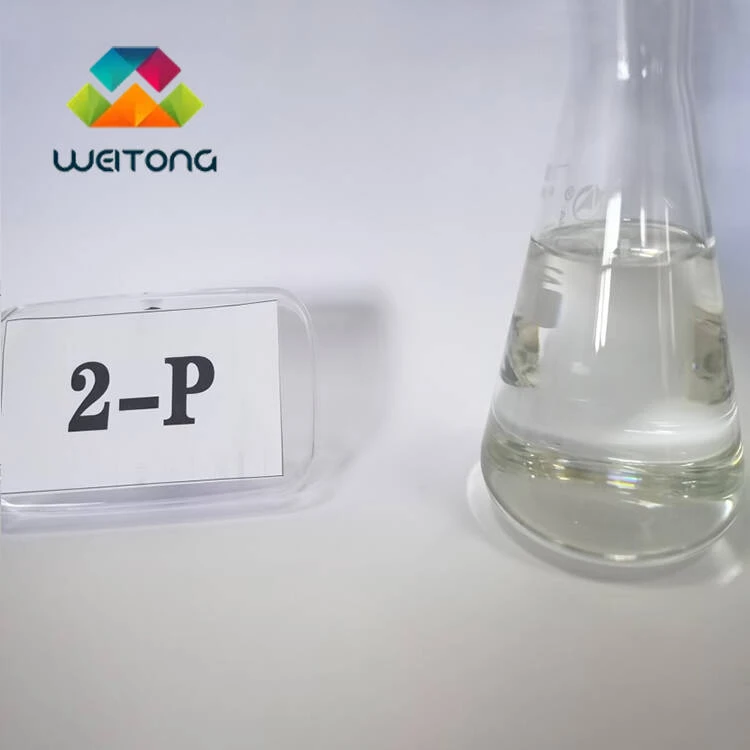
2-Ketopyrrolidine 616-45-5
2-Pyrrolidone is a versatile chemical that, when polymerized, forms important water-soluble polymers, most notably polyvinylpyrrolidone (PVP). The polymerization of 2-pyrrolidone derivatives, such as N-vinyl-2-pyrrolidone (NVP), leads to a variety of high-performance materials with broad industrial applications. Understanding the structure of these polymers is key to their diverse functionalities and benefits in fields like pharmaceuticals, cosmetics, food processing, and biotechnology.
1. 2-Pyrrolidone and Its Role in Polymerization
2-Pyrrolidone itself is a cyclic amide (lactam) with a five-membered ring structure containing one nitrogen and one oxygen atom. This chemical structure is important because it is the precursor in the synthesis of N-vinyl-2-pyrrolidone (NVP), a monomer that can undergo polymerization to form polyvinylpyrrolidone (PVP).
2-Pyrrolidone Structure:
Molecular Formula: C4H7NO
Structure: A five-membered lactam ring with a nitrogen atom attached to a carbonyl group (C=O) and a CH2 group. The lactam ring contributes to the chemical properties of the polymer, such as its polarity and solubility.
The polymerization process typically involves the vinylation of the nitrogen atom in 2-pyrrolidone to form N-vinyl-2-pyrrolidone (NVP), which is the active monomer for polymerization.
2. N-Vinyl-2-Pyrrolidone (NVP) Structure
N-vinyl-2-pyrrolidone is the key monomer used to produce polyvinylpyrrolidone (PVP). NVP is a derivative of 2-pyrrolidone, where the nitrogen atom in the lactam ring is substituted by a vinyl group (–CH=CH2). This vinyl group makes NVP reactive and enables polymerization.
N-Vinyl-2-Pyrrolidone Structure:
Molecular Formula: C6H9NO
Structure: The structure of NVP consists of the 2-pyrrolidone ring with a vinyl group attached to the nitrogen atom. The vinyl group consists of a double bond between two carbon atoms (–CH=CH2), which is reactive and capable of undergoing polymerization.
The vinyl group on NVP is crucial for the polymerization process, as it allows the formation of long polymer chains via radical polymerization.
3. Polyvinylpyrrolidone (PVP) Structure
Polyvinylpyrrolidone (PVP) is the most common polymer derived from NVP. It is a synthetic polymer that consists of repeating units of NVP. The polymerization of NVP results in the formation of long chains with the following characteristics:
Specification:

Hot Tags: 2-ketopyrrolidine 616-45-5, China 2-ketopyrrolidine 616-45-5 manufacturers, suppliers, factory, Copovidone, 1 4 Butanediol Liquid, Pvp K60, povidone pvp k 30, 1-methyl-2-pyrrolidone, Povidone Xl
Previous
Piperidnic Acid Lactam 616-45-5Next
2-P 616-45-5You Might Also Like


Send Inquiry